Posts

Maximizing Data Efficiency SAP ETL Best Practices
Image
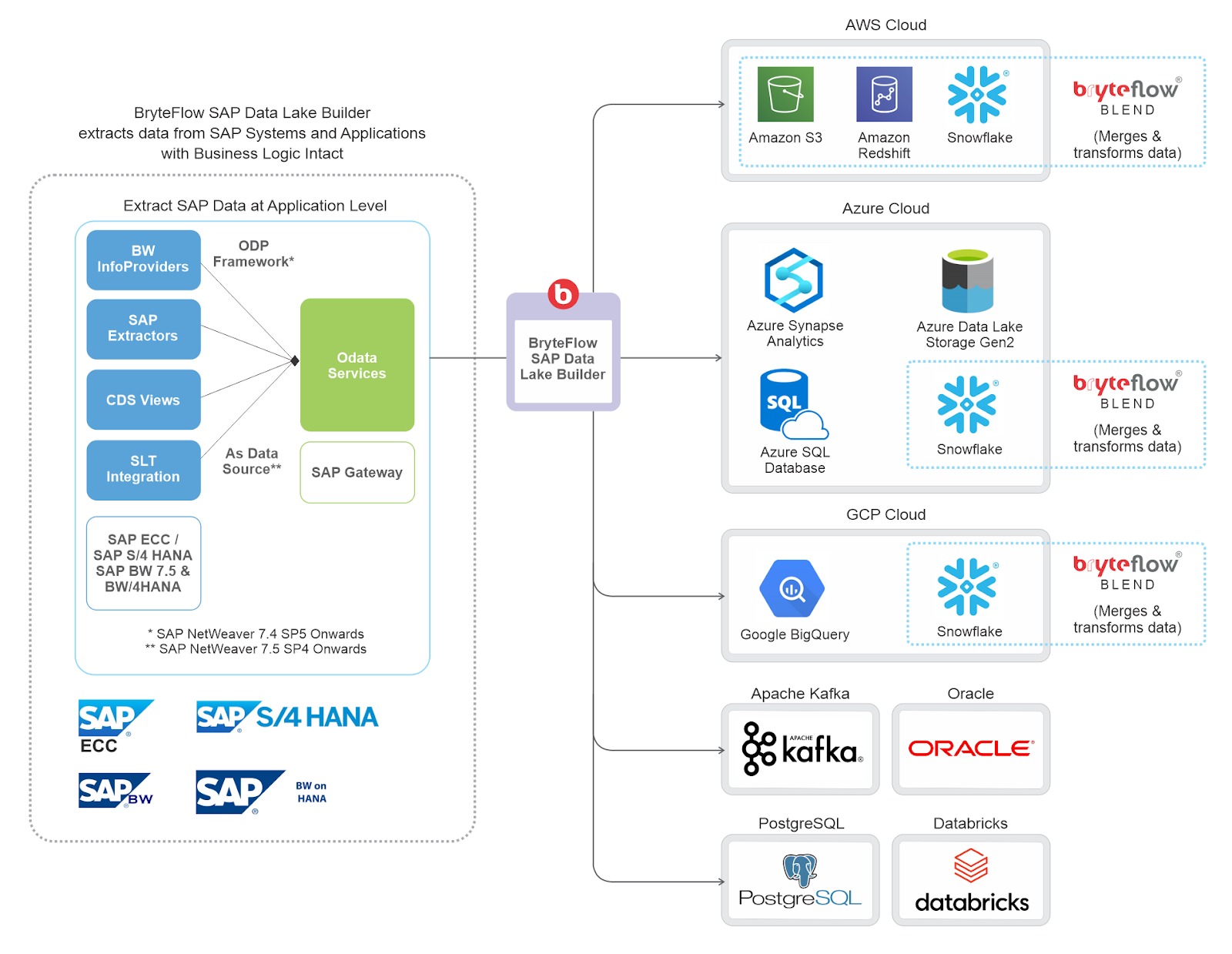
   SAP ETL (Extract, Transform, Load) refers to the process of extracting data from SAP systems, transforming it into a compatible format, and loading it into a target system for analysis or storage. This article explores the significance of SAP ETL, its key components, benefits, and best practices for optimizing data efficiency within SAP environments. Understanding SAP ETL SAP ETL plays a crucial role in enabling organizations to leverage their SAP data for decision-making, reporting, and analytics. It involves extracting data from SAP systems such as SAP ERP, SAP BW, or SAP HANA, transforming it to meet specific requirements, and loading it into target systems like data warehouses, analytics platforms, or reporting tools. Read more to know about the functioning of SAP ETL Key Components of SAP ETL Extraction:  Extraction involves retrieving data from SAP systems using various methods such as SAP BW extractors, SAP HANA Smart Data Integration, or SAP Data S...

Unveiling the Power of SQL Server Change Tracking

Image
In the realm of database management, SQL Server Change Tracking emerges as a pivotal feature, revolutionizing the way organizations handle data modifications. This comprehensive guide navigates through the intricacies of SQL Server Change Tracking, shedding light on its functionalities, advantages, and implementation strategies.   Check out how we at BryteFlow have optimized the SQL Server Change Tracking process.   Understanding SQL Server Change Tracking   SQL Server Change Tracking is a feature integrated into Microsoft SQL Server that enables organizations to track changes made to user tables. It provides a lightweight mechanism for capturing and storing changes, offering insights into data modifications without the need for complex auditing solutions. This feature proves especially beneficial in scenarios where real-time data tracking and synchronization are essential.   Key Components of SQL Server Change Tracking   Change Tracking En...

Navigating the Depths: Understanding the Dynamics of S3 Data Lakes

Image
Amazon Simple Storage Service (S3) data lakes have emerged as a game-changer, providing organizations with a scalable and cost-effective solution for handling massive volumes of data. S3, a highly durable and available object storage service from Amazon Web Services (AWS), forms the foundation for constructing robust data lakes.   The Anatomy of S3 Data Lakes: A data lake is not just a repository; it's a flexible and versatile ecosystem. S3 data lakes leverage the inherent capabilities of S3, allowing organizations to store structured and unstructured data seamlessly. This includes everything from raw text files to complex datasets, creating a unified storage solution.   Scalability and Cost-Efficiency: One of the key advantages of S3 data lakes is their scalability. As data volumes grow, S3 seamlessly accommodates the expansion without compromising performance. Moreover, the pay-as-you-go pricing model ensures organizations only pay for the storage and processing ...

Bridging Horizons: Oracle to Snowflake Migration Unleashes Data Potential

Image
  In the ever-evolving landscape of data management, the migration from Oracle to Snowflake has become a strategic imperative for organizations seeking enhanced scalability, agility, and performance in handling their data. This exploration delves into the key aspects of transitioning from Oracle to Snowflake, highlighting the benefits, challenges, and the transformative impact on data ecosystems.   Click here to learn more about Oracle to Snowflake database migration Unlocking the Power of Snowflake Snowflake, a cloud-native data platform, is renowned for its architecture that separates storage and compute, offering unparalleled scalability and elasticity. As organizations increasingly pivot towards cloud-centric solutions, migrating from on-premises Oracle databases to Snowflake becomes a compelling proposition. Key Benefits of Oracle to Snowflake Migration Scalability and Performance: Snowflake's architecture allows for seamless scaling of resources on-demand, ...

Unveiling the Dynamics of SQL Server Change Data Capture (CDC)

Image
 In the dynamic landscape of database management, SQL Server Change Data Capture (CDC) has emerged as a pivotal feature, revolutionizing the way organizations track and manage changes in their data. This article delves into the intricacies of SQL Server CDC, exploring its functionalities, implementation strategies, and the transformative impact it brings to the realm of real-time data evolution.   Understanding SQL Server CDC: A Game-Changer in Data Tracking   SQL Server CDC is a feature designed to systematically capture and track changes made to tables within a SQL Server database. Unlike traditional methods that involve scanning entire tables, CDC focuses on specific changes, optimizing the process and minimizing the impact on database performance.   Read more to learn about SQL Server Change Data Capture (CDC)   Key Strengths of SQL Server CDC: Granular Change Information   One of the key strengths of SQL Server CDC lies in its abil...

Seamless Integration: Migrating Data from Oracle to BigQuery

Image
 In the realm of database management, the transition from Oracle to BigQuery signifies a strategic move towards enhanced scalability, flexibility, and real-time analytics. This exploration delves into the intricacies of migrating data from Oracle to BigQuery, shedding light on key considerations, benefits, and the seamless integration process. Read more to know more about Migrating Data from Oracle to BigQuery Understanding the Transition: Oracle to BigQuery Migration   Key Considerations:  Migrating from Oracle to BigQuery is a decision that requires careful consideration. Factors such as data volume, complexity, and the desired outcome play a pivotal role in determining the success of the migration. It's crucial to conduct a thorough assessment of the existing Oracle database structure and the specific needs of the organization.   Benefits of BigQuery:  BigQuery, Google Cloud's fully-managed data warehouse, offers a host of benefits, including unpa...

Streamlining Data Flow: Exploring the Dynamics of SAP ETL

Image
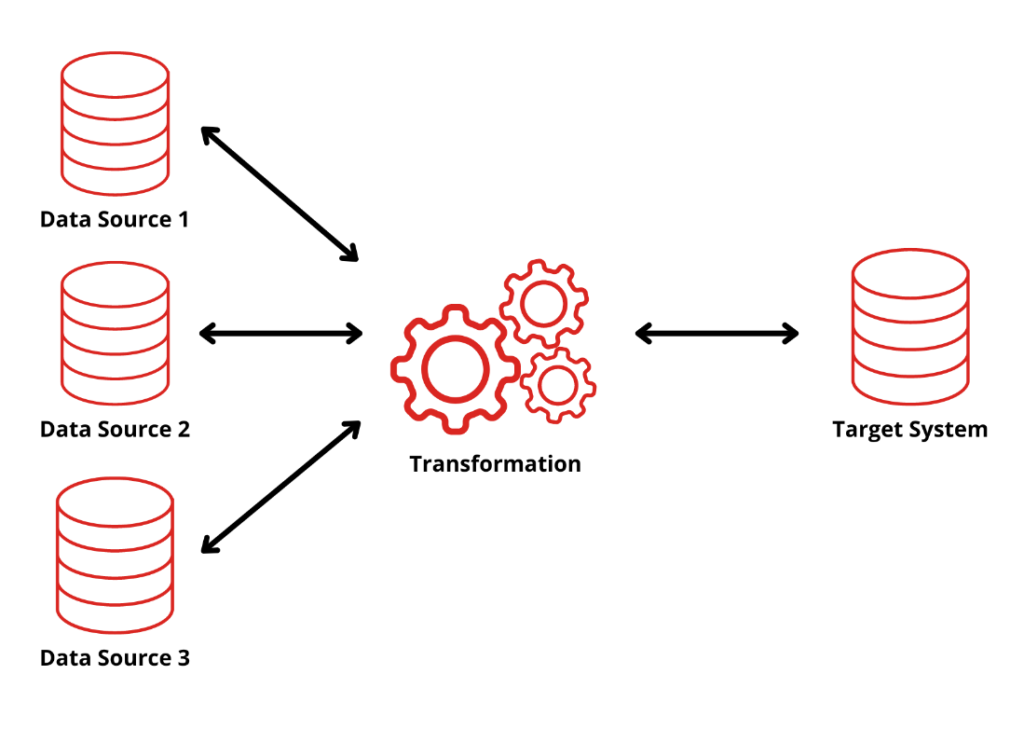
 In the realm of enterprise resource planning, SAP (Systems, Applications, and Products) stands as a stalwart, facilitating seamless business processes. The effectiveness of SAP, however, is magnified when coupled with ETL (Extract, Transform, Load) processes. SAP ETL, a critical component of data integration, plays a pivotal role in ensuring that organizations harness the full potential of their SAP systems.   Understanding SAP ETL: Enhancing Data Integration Efficiencies   SAP ETL Defined:  SAP ETL is a structured data processing methodology designed to extract, transform, and load data from various source systems into SAP applications. This systematic approach ensures that data is not only transferred efficiently but is also transformed to align with the specific requirements and structures of the SAP environment.   Click here to know more about SAP ETL structured data processing methodology   Key Components of SAP ETL   Extract...